

Hiring gets complicated surprisingly quickly. What starts as finding one good person can turn into weeks of sourcing, screening, interviews, contracts, compliance, and onboarding.
I’ve noticed that the problem is rarely the hiring decision itself. It’s everything around it. As a business grows, those extra steps start taking time away from founders, managers, and HR teams who already have plenty to do.
For me, simplifying hiring means being clear about who you need, widening the search for the right people, and removing unnecessary work from the process. You still need to make good decisions about who joins your team. You just don’t need to manage every part of getting them there.
In this guide, I’ll look at where the hiring process tends to slow down, the different ways businesses can reduce that workload, and how to build a simpler approach that can grow with your team.
TL;DR: Hiring gets complicated when sourcing, screening, interviews, payroll, compliance, and onboarding start taking too much time. Simplifying the hiring process means finding where the bottleneck is, using the right support to remove it, and keeping your team focused on the decisions that matter: who you hire and how you build the team.
Why Has Hiring Become More Complex?

Hiring has become more complex because there are more steps to manage. Defining the role is only the beginning. You then need to source candidates, screen applications, run interviews, make a decision, handle contracts and compliance, and get the new hire properly onboarded.
When you’re hiring globally or remotely, the recruitment process can involve additional considerations around location, payroll, local requirements, and how people will work with the existing team.
More choice can make hiring easier, but it also means making more decisions along the way:
- Where to hire: Locally, remotely, or globally?
- How to source: In-house, through a recruiter, or with a talent partner?
- Who to hire: Employee or independent contractor?
- How to manage the process: Manually, with hiring software, or with external support?
- How to handle the infrastructure: Who manages contracts, payroll, compliance, and onboarding?
None of these choices is necessarily complicated on its own. The complexity comes from managing several of them at the same time, particularly as your hiring needs grow.
What Are Common Hiring Bottlenecks?
Bottlenecks can appear at almost any stage of the recruitment process. The hiring process usually slows down when too much manual work builds up between deciding you need someone and actually getting them into the role. In my experience, it’s rarely one big problem. It’s a series of small delays across the hiring workflow.
|
Hiring step |
Where it slows down |
|
Define |
Unclear roles or expectations |
|
Source |
Limited talent pools or too many unsuitable applicants |
|
Screen |
Too much time reviewing candidates |
|
Interview |
Too many rounds or slow decisions |
|
Hire |
Contracts, compensation, payroll, and compliance |
|
Onboard |
Poor handovers or unclear responsibilities |
The problem is that one bottleneck often creates another. Slow screening delays interviews. Slow decisions mean good candidates move on. Rushed hiring can then create more work during onboarding.
Adding another interview, tool, or approval won’t necessarily fix that. The first step is identifying where your team is losing the most time, then simplifying that part of the process without lowering the standard for who you hire.
What Are Your Options for Simplifying Hiring?
There’s no single way to simplify hiring. The right solution depends on your recruitment strategy and where the bottleneck sits.
- If administration is slowing you down, use hiring software. Automating scheduling, candidate tracking, applications, and other repetitive tasks can take manual work out of an otherwise effective hiring process.
- If you’re struggling to find candidates, use a recruitment or staffing agency. They can take sourcing and initial screening off your team’s plate and give you access to a wider pool of candidates.
- If you’ve found someone overseas but can’t employ them directly, use an EOR. An Employer of Record can handle local employment, payroll, and compliance without requiring you to establish an entity in that country.
- If several parts of hiring are becoming difficult, use a strategic talent partner. A talent partner can bring sourcing, screening, hiring administration, compliance, and ongoing workforce support together while you retain control over who joins your team.
Sometimes one tool or provider is enough to solve the problem. But when sourcing, screening, compliance, and administration are all taking up time, bringing those pieces together can make the entire hiring process much simpler.
How Work for Impact Simplifies the Hiring Process
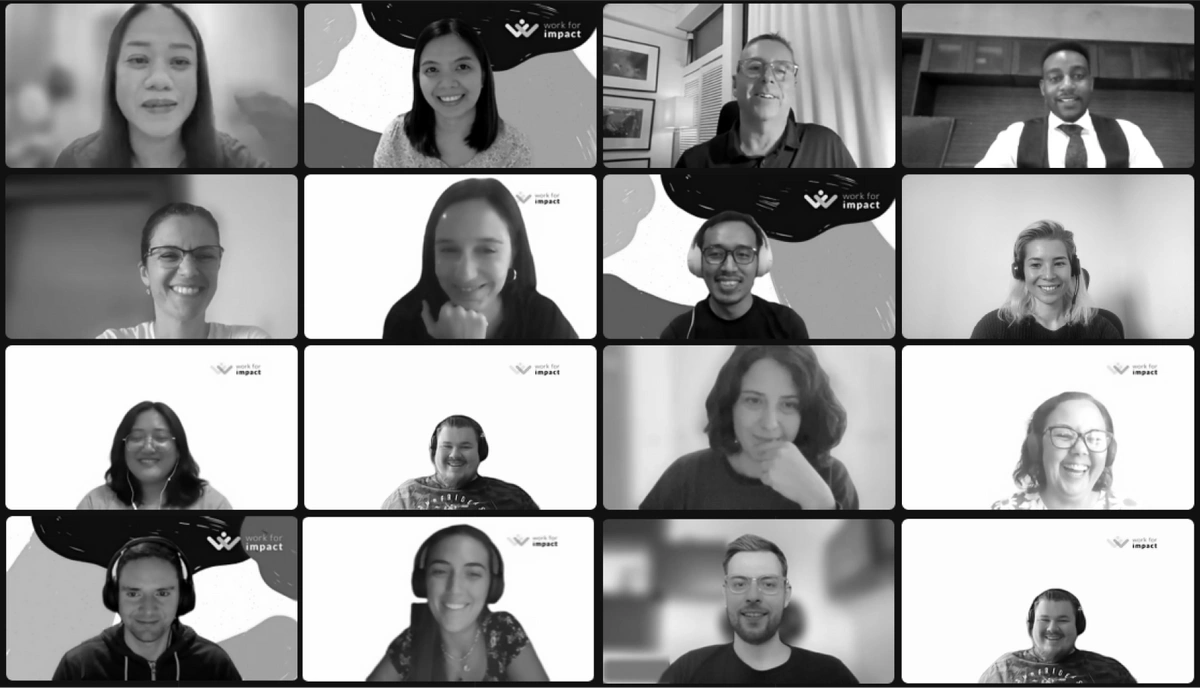
The hiring process often gets stuck between knowing who you need and getting the right person into the team. Sourcing, screening, vetting, payment administration, compliance support and onboarding can turn one hire into work spread across several people and providers.
Work for Impact brings those pieces together:
- Hiring strategy: We define the role, skills, budget, and team fit with you before the search begins.
- Sourcing and vetting: We shortlist candidates against your role requirements, skills, budget, and team needs.
- Final selection: You interview the finalists and decide who joins your team.
- Global infrastructure: We support contracting, payment administration and compliance throughout the engagement.
- Ongoing support: Support continues after the hire through regular check-ins in the first three weeks, then quarterly. We also handle invoicing and provide time tracking to support workforce administration.
We take much of the complexity out of building a global team. You get one partner for recruitment, payment administration, compliance support and ongoing service. You retain control over the people you hire.
Premium Parking described Work for Impact as having “exceeded all BPO providers.” Our support extends beyond recruitment through regular check-ins, ongoing communication, and workforce administration throughout the working relationship.
If you’re ready to simplify the way you build your global team, talk to a Work for Impact Talent Strategist today.
Frequently Asked Questions
What are the main steps in the hiring process?
A typical hiring process includes defining the role, sourcing candidates, screening applications, interviewing, selecting a candidate, completing hiring administration, and onboarding.
How can you make the hiring process more efficient?
Start by finding where the process slows down. Clearer role requirements, wider sourcing, fewer unnecessary interviews, faster decision-making, and automating repetitive administration can all make hiring more efficient.
What causes a slow hiring process?
Hiring often slows down because of unclear job requirements, limited candidate pipelines, manual screening, too many interview stages, delayed decisions, or administrative work after a candidate has been selected.
How many interview stages should a hiring process have?
There’s no ideal number for every role. The aim should be to have enough interviews to make a confident decision without asking candidates or hiring managers to repeat the same conversations unnecessarily.
What parts of the hiring process can be automated?
Scheduling, application management, candidate tracking, some initial screening, assessments, and routine communication can often be automated. Interviews, evaluating team fit, and final hiring decisions generally benefit from human judgment.
How do you simplify hiring across multiple countries?
Standardize what you can across sourcing, screening, interviews, and onboarding, while accounting for local requirements around contracts, payroll, and compliance. The more countries you hire in, the more useful it becomes to have consistent systems and processes behind each hire.